

That 3 pm slump might have more to do with your plate than your to-do list. B vitamins are a family of eight essential nutrients that help turn every meal into energy your body can use—and plenty of us are coming up short. The Australian Bureau of Statistics' 2023 nutrition survey found almost one in two Australians (46.7%) don't get enough vitamin B6 from food.
Here's your guide to B vitamins for energy: what each one does, why the form matters, who may need a little more and how Body Electric™ makes topping up simple.
How B vitamins turn food into energy
Food doesn't power you on its own. Carbohydrates, fats and proteins have to be broken down and converted before your cells can use them. Think of B vitamins as the helpers that make each crucial step happen. They work as coenzymes, switching on the enzymes that unlock the fuel stored in food.
Thiamin (B1) is necessary for normal carbohydrate metabolism, pantothenic acid (B5) for normal fat metabolism and vitamin B6 for normal protein metabolism. Riboflavin (B2) and niacin (B3) contribute to normal energy release from food, turning what you eat into energy your body can draw on.
Because each B hands off to the next, they work in sync. That's the case for a B vitamin complex over a single B. B vitamins are also water-soluble and your body stores very little of most of them, so a steady daily intake matters more than an occasional top-up.
Meet the B complex: what each B vitamin does
Eight vitamins, each with its own job, all working towards the same result. Here's who does what.
- B1 (thiamin): the carb converter. Your body needs it to metabolise the carbohydrates in your oats, rice and bread, and for normal heart and neurological function. Wholegrains and legumes are rich sources.
- B2 (riboflavin): the protector. Helps release energy from food and protect cells from oxidative stress. Eggs, dairy and mushrooms are a good place to start.
- B3 (niacin): the energy releaser. Necessary for normal energy release from food and normal skin structure and function. You'll get plenty from chicken, fish and peanuts.
- B5 (pantothenic acid): the focus helper. Necessary for normal fat metabolism and contributes to normal mental performance. Look to mushrooms, avocado and eggs.
- B6: the all-rounder. Contributes to normal nervous system function, psychological function, protein metabolism and reduces tiredness and fatigue. Chickpeas, salmon and bananas are all good sources.
- B7 (biotin): the beauty B. Contributes to healthy skin, hair and nails, fat metabolism and energy production. Eggs, nuts and seeds deliver it.
- B9 (folate): the builder. Necessary for normal blood formation and cell division. Fill up on leafy greens, asparagus and lentils.
- B12 (cobalamin): the wiring specialist. Necessary for normal neurological structure and function, and contributes to normal energy metabolism. It's found almost exclusively in animal foods such as fish, meat, eggs and dairy.
B2, B3, B5, B6, folate and B12 also contribute to the reduction of tiredness and fatigue, which is where the benefits of a B vitamin complex really add up.
Who may need more B vitamins?
Females top the list. The ABS 2023 data shows Australian females are far more likely than men to fall short on B6 (59.1 per cent compared with 34.6 per cent) and on B12 (13.9 per cent compared with 5.6 per cent). Folate is a particular focus for anyone planning a pregnancy, as it contributes to maternal tissue growth during pregnancy—speak with your healthcare practitioner about the right approach for you.
Why activated B vitamins matter
Not every B arrives ready to work. Many standard supplements use forms your body has to convert before it can use them, and that conversion isn't equally efficient for everyone. Activated B vitamins, often called methylated B vitamins, skip that step—they're delivered in the forms your cells already use. For folate, that means methylfolate rather than synthetic folic acid.
Your daily B vitamins, in one scoop of Body Electric™
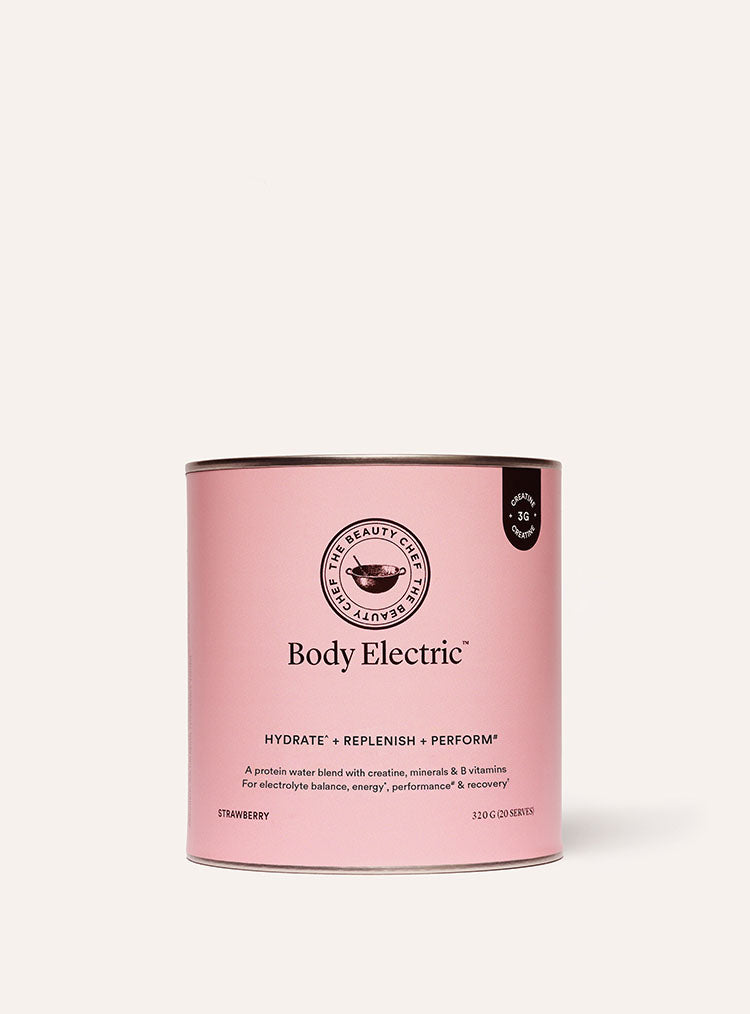
Body Electric™ is an intelligent protein water blend that supports performance, hydration, energy and recovery with 3 grams of micronised creatine monohydrate, 10 grams of protein, essential electrolytes and an activated B vitamin complex.
Each scoop delivers a spectrum of B vitamins, including Quatrefolic® folate and activated B6 and B12, all at 50% of your recommended dietary intake. Vitamins B6 and B12 both contribute to normal nervous system function and the reduction of tiredness—helping you push past that late-afternoon slump without relying on another cup of coffee.
Shop Body Electric™, available in Strawberry and Tropical, with another flavour joining the lineup soon. While you're here, discover the unique stack of benefits behind each ingredient.
Your questions, answered
Do B vitamins actually give you energy?
B vitamins don't contain kilojoules, so they aren't a source of energy themselves. Instead, they help your body release the energy in the food you eat. Riboflavin and niacin contribute to normal energy release from food, while B6 and B12 contribute to normal energy metabolism.
Which B vitamins are best for energy?
They work best together. Six of the eight—B2, B3, B5, B6, folate and B12—contribute to the reduction of tiredness and fatigue. Thiamin and biotin play their part in carbohydrate and fat metabolism. That's why a B complex covers more ground than any single B.
Should I take a B complex or B12 for energy?
B12 contributes to normal energy metabolism and the reduction of tiredness and fatigue, but it works hand in hand with the rest of the Bs, particularly folate. A vitamin B complex gives you the full group in one go. If you eat mostly plants, B12 deserves extra attention because it's found almost exclusively in animal foods. Your healthcare practitioner can help you work out what's right for you.
Are activated B vitamins the same as methylated B vitamins?
There's plenty of overlap, but they're not identical. Activated B vitamins are supplied in the forms your body already uses, with no conversion needed. Some are methylated, such as methylfolate and methylcobalamin (a form of B12). Others aren't, like pyridoxal 5'-phosphate, the active form of B6. So every methylated B vitamin is activated, but not every activated B vitamin is methylated.
Is methylfolate the same as folic acid?
No. Folic acid is the synthetic form of folate used in many supplements and fortified foods, and your body has to convert it before it can use it. Methylfolate is the active form that already circulates in your blood, so it skips that step. Quatrefolic® is a form of methylfolate.
What's the best time to take a vitamin B complex?
Consistency matters more than timing. Your body stores very little of most B vitamins, so a steady daily intake is what counts. Pick a time you'll stick to, whether that's with breakfast or around a workout. Body Electric™ can be enjoyed before or after training, or whenever your day needs a lift.